
22 Jul Ankle Ligament Injuries in Tennis
We’re delighted to work with @balanced physiotherapy, in conjunction with some of our U18 and U16 squad players to monitor their strength and conditioning throughout the year using their VALD training system.
One of the most common tennis injuries is ankle ligaments, accounting for approximately 10–20% of all tennis-related injuries. The fast changes in direction, lateral movement, split steps and occasional awkward landings after serving or overhead shots place significant stress on the area.
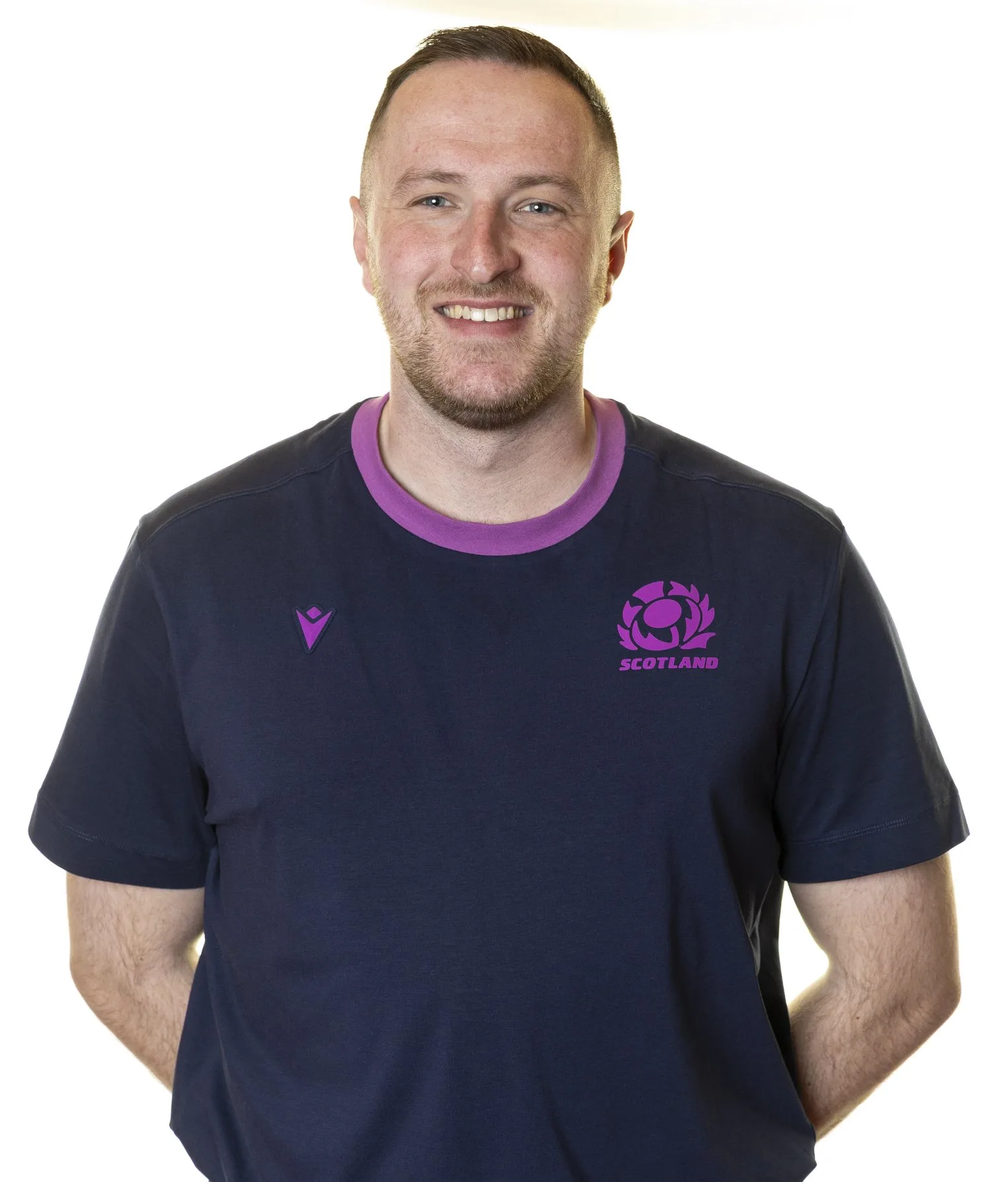
We spoke with Blair Lawson (Senior Physiotherapist at Balanced Edinburgh) about the nuts and bolts of ankle ligament injuries.
What is a ligament?
Ligaments are strong bands of connective tissue that connect bones to other bones. Around the ankle, they help stabilise the joint, control movement and prevent excessive twisting. When a ligament is stretched beyond its stretch capacity, it results in a sprain.
How do ankle ligament injuries happen?
Most ankle ligament injuries in tennis occur when the foot rolls inward (an inversion sprain), damaging the ligaments on the outside of the ankle. Common mechanisms include:
- Rapid changes of direction during rallies
- Landing awkwardly after serving or smashing
- Slipping on the court surface
- Stepping on a ball or uneven surface around the court
- Fatigue reducing balance and coordination late in matches
Symptoms typically include pain, swelling, bruising, and difficulty bearing weight.
What are the general guidelines around rehabilitation?
Recovery depends on the severity of the injury, but most rehabilitation programmes follow a gradual progression:
Early Stage
- Manage pain and swelling
- Protect the ankle and avoid aggravating activities
- Begin gentle range-of-motion exercises as tolerated
Middle Stage
- Restore ankle mobility
- Improve strength in the ankle and lower leg muscles
- Introduce balance and proprioception exercises to retrain joint stability
Late Stage
- Progress to hopping, jumping, and change-of-direction drills
- Reintroduce tennis-specific movement patterns
- Gradually return to practice and match play
A structured rehabilitation programme is important, as returning too soon can increase the risk of recurrent sprains and long-term ankle instability. Most mild sprains recover within a few weeks, while more significant ligament injuries may require several months of rehabilitation before a full return to tennis.
Can you explain the VALD training system?
VALD is a sports science and musculoskeletal health platform that helps clinicians, physiotherapists, strength and conditioning coaches and sports scientists measure, monitor and improve physical performance and rehabilitation outcomes.
It centralises data from a range of assessment tools to provide objective insights into strength, power, balance, movement quality, range of motion and asymmetries. The software supports injury prevention, athlete monitoring, return-to-play decisions, rehabilitation tracking and performance optimisation through data-driven reporting